
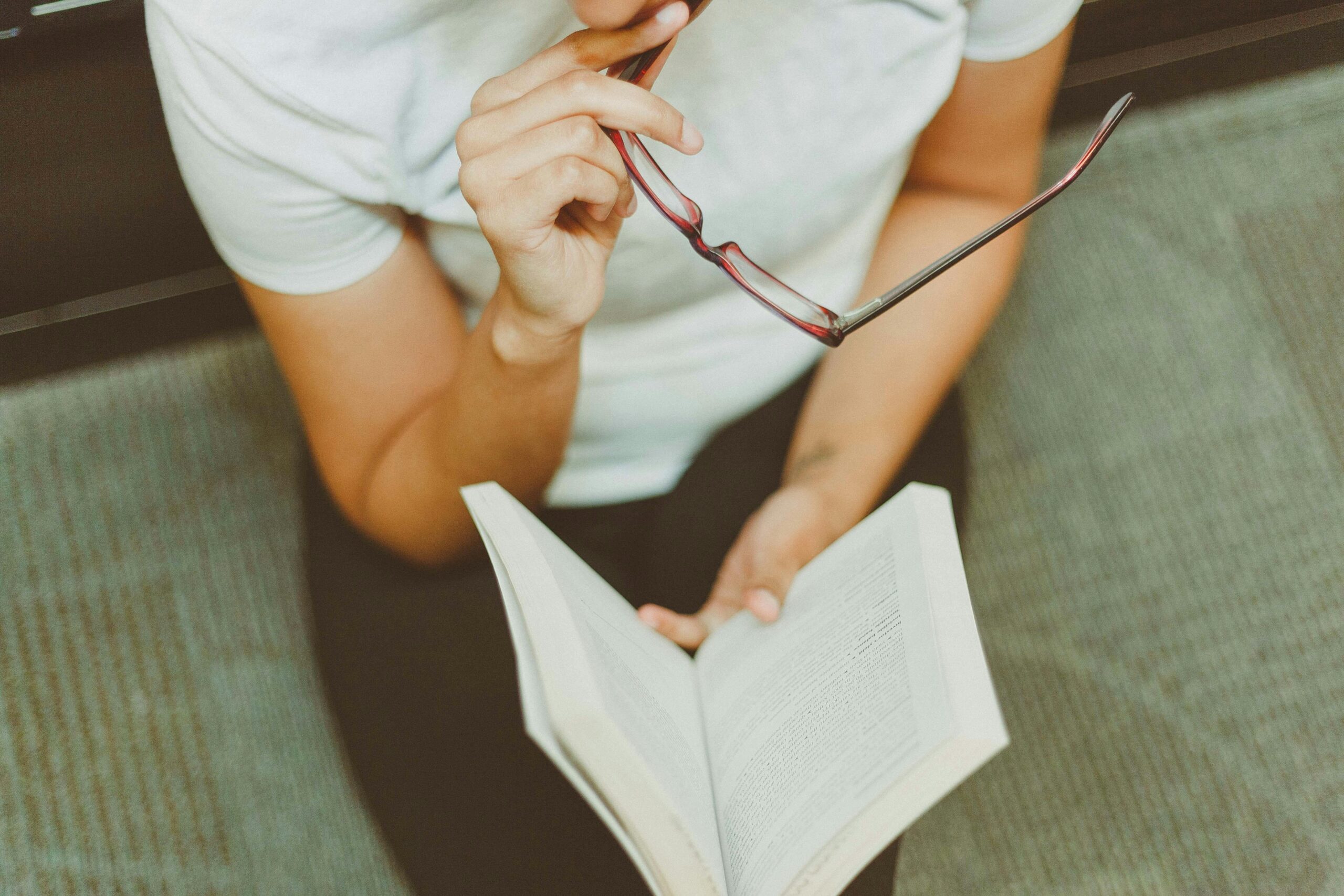
If you’ve recently started using reading glasses, you may have heard the common worry: “Will these make my eyes worse?” It’s a question many adults ask, especially as we notice small changes in our vision with age. The truth is reassuring — reading glasses do not damage your eyes, but understanding how to use them correctly and recognizing warning signs of other issues is important for keeping your vision healthy.
Here’s what you need to know.
Why People Think Reading Glasses Make Eyes Worse
As we age, our lenses naturally lose flexibility — a condition called presbyopia. This makes focusing on close objects harder, usually starting around age 40. Reading glasses simply compensate for this natural change; they don’t cause your eyes to deteriorate.
The misconception often comes from noticing that your near vision seems weaker over time even with glasses. In reality, it’s your eyes adapting to age-related changes — not damage from glasses themselves.
7 Warning Signs You Shouldn’t Ignore
While reading glasses are safe, sometimes blurry or strained vision can indicate another underlying problem. Here are seven warning signs that warrant an eye exam:
1. Sudden Blurred or Distorted Vision
If your vision changes suddenly, it’s not normal aging. Conditions like cataracts, glaucoma, or retinal issues could be the cause.
2. Persistent Headaches While Reading
Eye strain from improper prescriptions or other eye conditions can cause chronic headaches. Reading glasses should relieve strain, not cause it.
3. Double Vision
Seeing two images of one object may indicate a problem beyond simple presbyopia, such as muscle imbalance or neurological issues.
4. Difficulty Seeing at Night
If night vision is worsening, it could be related to cataracts or other eye health issues, not your reading glasses.
5. Eye Pain or Discomfort
Persistent discomfort while using your glasses may mean your prescription is outdated or poorly fitted.
6. Rapidly Changing Prescription
Needing stronger glasses quickly may signal an underlying condition, not damage caused by your current glasses.
7. Squinting or Straining Despite Glasses
If you constantly squint even with reading glasses, your lenses may not be the correct strength — or another issue could be affecting your eyes.
How to Protect Your Vision
Here’s how to use reading glasses safely and keep your eyes healthy:
- Get regular eye exams – At least once every 1–2 years, or sooner if vision changes.
- Use the correct prescription – Over-the-counter magnifiers can be convenient but may not match your exact needs.
- Take breaks during close work – Follow the 20-20-20 rule: every 20 minutes, look at something 20 feet away for 20 seconds.
- Maintain a healthy lifestyle – Proper nutrition, hydration, and exercise support eye health.
- Address any symptoms early – Blurry vision, headaches, or eye pain should never be ignored.
The Bottom Line
Reading glasses do not make your eyes worse. They simply help your eyes focus as they naturally age. The key is to use the correct prescription and watch for signs of other eye conditions. Early detection and proper care are the best ways to maintain healthy, comfortable vision.
Ready to Protect Your Eyes?
If you’ve noticed any of the warning signs above, it’s time for a professional eye exam. Our vision clinic can:
- Check your current prescription
- Assess overall eye health
- Recommend the best lenses for your vision and lifestyle
📅 Book an appointment today and keep your vision sharp and healthy — reading glasses are your friend, not your foe!