
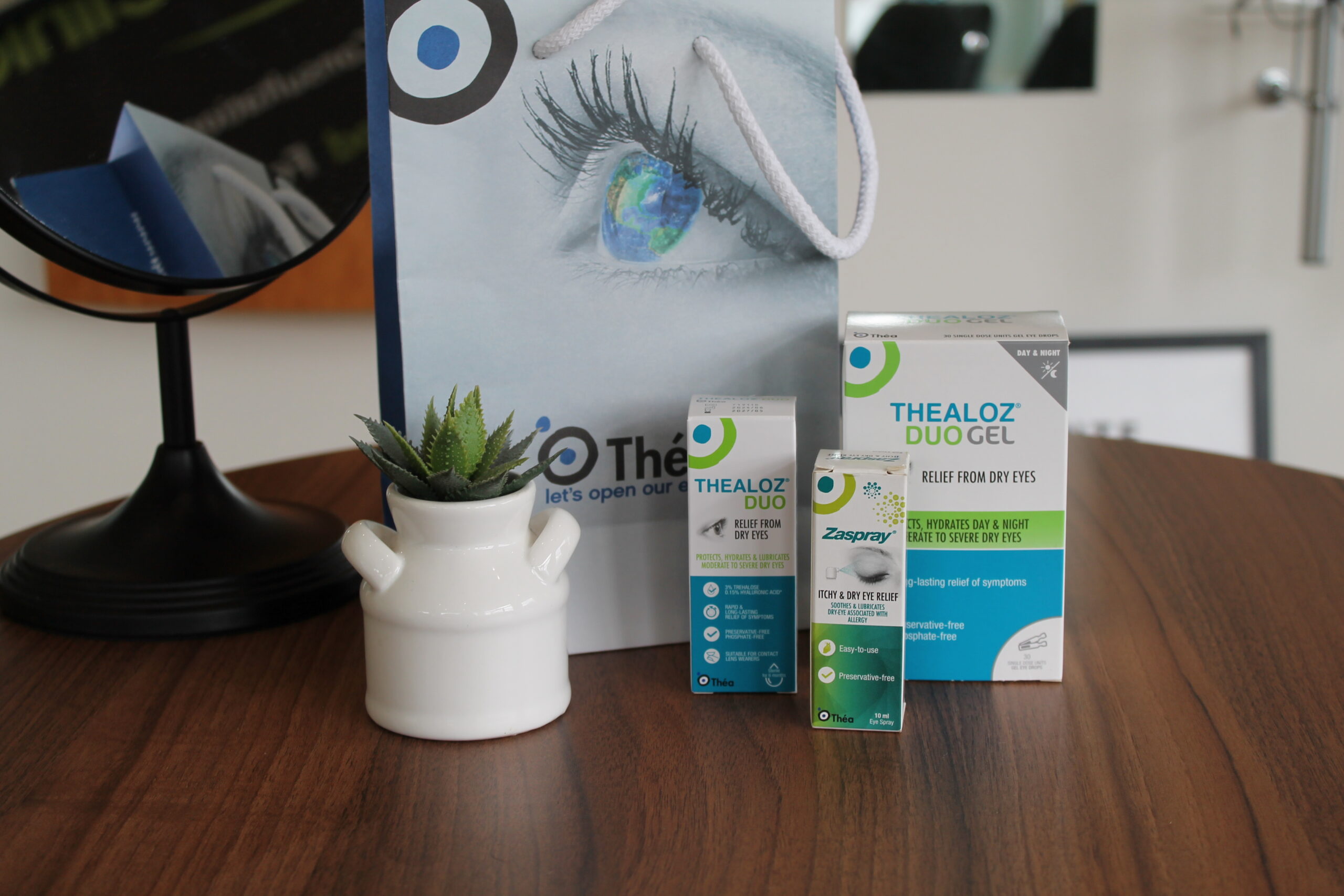
Dry, irritated, burning eyes aren’t just a minor inconvenience. For millions of people, dry eye is a daily struggle that affects comfort, productivity, and overall quality of life. If your eyes often feel gritty, watery, or sensitive to light, you may be dealing with Dry Eye Disease — and the good news is, lasting relief is possible.
At Vision Clinic, we believe education is the first step toward healthier, more comfortable vision. Here’s what you need to know about dry eye — and what you can do about it.
What Is Dry Eye?
Dry eye occurs when your eyes either don’t produce enough tears or when the tears evaporate too quickly. Healthy tears are essential — they lubricate the eye, wash away debris, and keep vision clear. When the tear film becomes unstable, inflammation and irritation follow.
Dry eye is often linked to:
- Aging
- Hormonal changes
- Screen overuse
- Contact lens wear
- Certain medications
- Environmental factors (wind, air conditioning, heating)
It’s a chronic condition for many people — but it is manageable with the right care.
Common Symptoms of Dry Eye
Dry eyes don’t always feel the way people expect. You may experience:
- Burning or stinging sensation
- Gritty or sandy feeling
- Redness
- Blurred or fluctuating vision
- Sensitivity to light
- Excess tearing (yes, watery eyes can signal dryness)
- Eye fatigue, especially after screen time
If these symptoms sound familiar and persist for more than a few days, it’s time for a professional evaluation.
Why Over-the-Counter Drops Aren’t Always Enough
Many people rely on artificial tears for temporary relief. While they can help, they often treat only the symptoms — not the underlying cause.
Dry eye is commonly related to meibomian gland dysfunction (MGD), where the oil glands in the eyelids don’t function properly. Without healthy oils, tears evaporate too quickly.True, long-term relief requires identifying the root cause.
Modern Solutions for Dry Eye
The good news? Dry eye treatment has advanced significantly in recent years. Depending on your diagnosis, treatment may include:
1. Prescription Eye Drops
These help reduce inflammation and improve natural tear production.
2. Meibomian Gland Therapy
Targeted treatments can unclog blocked glands and restore healthy oil flow.
3. In-Office Advanced Treatments
Technology-based therapies can improve gland function and provide longer-lasting relief than drops alone.
4. Lifestyle & Environmental Adjustments
Small changes — like adjusting screen habits, using humidifiers, and staying hydrated — can make a big difference.
Every patient is different. A customized treatment plan delivers the best results.
The Long-Term Impact of Untreated Dry Eye
Ignoring dry eye can lead to:
- Chronic inflammation
- Increased risk of eye infections
- Damage to the corneal surface
- Reduced quality of life
The earlier dry eye is addressed, the easier it is to control.
When Should You See an Eye Care Professional?
You should schedule an evaluation if:
- Symptoms are persistent
- Artificial tears don’t provide relief
- Vision fluctuates throughout the day
- You rely heavily on screens
- Your eyes feel tired or irritated daily
Dry eyes aren’t “just part of getting older.” It’s a medical condition — and it’s treatable.
Take the First Step Toward Comfortable Vision
You don’t have to live with discomfort. With the right diagnosis and targeted treatment plan, lasting relief is possible.
If you’re experiencing symptoms of dry eye, book a comprehensive dry eye assessment at Vision Clinic today. Our team will identify the root cause and create a personalized plan designed for long-term comfort and eye health.
Your eyes work hard for you — it’s time to give them the care they deserve.
Schedule your dry eye consultation today and start seeing — and feeling — the difference.