
If it’s been a while since your last eye test—or you’re booking your first one—you might be wondering what actually happens during the appointment. The good news? We look after you and we will take our time to see what your needs are, and most importantly it’s keeping on top of your eye health.
Here’s a simple, step-by-step guide to what you can expect.
1. A relaxed Chat About Your Vision
Your eye test usually starts with a conversation: why you booked the appointment? Your optometrist will ask about:
- Any changes in your vision
- Eye discomfort or headaches
- Your general health and medications
- Family history of eye conditions
This helps them understand your needs and spot any potential concerns early.
2. Checking Your Vision
Next comes the part most people recognise—reading letters from a chart. You’ll be asked to:
- Cover one eye at a time
- Read letters that get smaller on each line
This measures how clearly you can see at a distance. You may also do a similar test for close-up vision.
3. Finding Your Exact Prescription
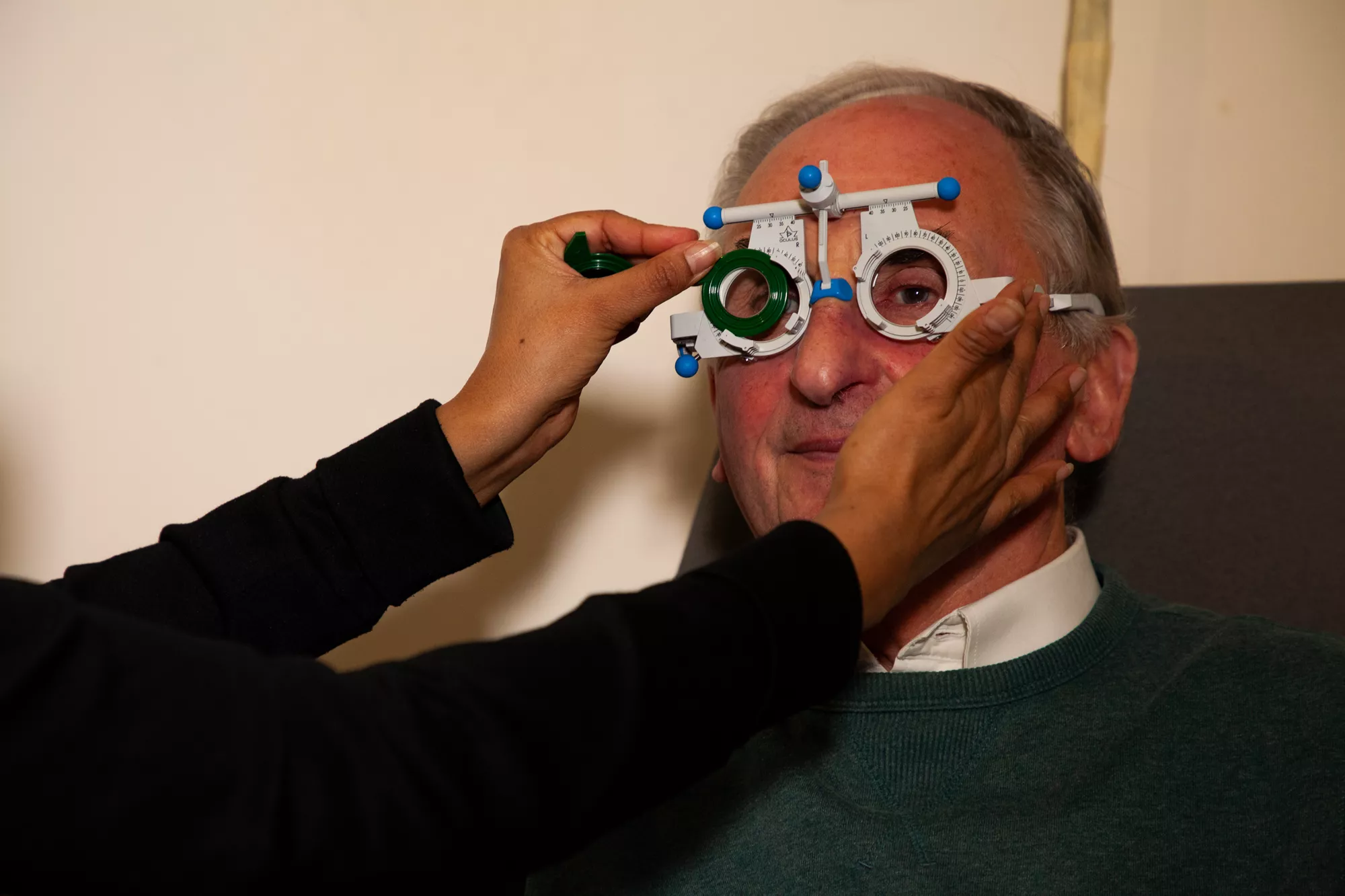
If you need glasses or contact lenses, your optometrist will fine-tune your prescription using a device called a phoropter (the machine with lots of lenses).
You’ll be asked questions like:
- “Which is clearer—option 1 or option 2?”
It might feel repetitive, but it ensures your prescription is as accurate and comfortable as possible.
- Eye Health Check
An eye test isn’t just about how well you can see—it’s also about the health of your eyes.
Your optometrist will examine:
- The front of your eye (cornea, lens)
- The inside of your eye (retina and optic nerve)
They may use a bright light or special imaging equipment. Sometimes, drops are used to widen your pupils for a better view (this can make your vision slightly blurry for a few hours).
5. Additional Tests (If Needed)
Depending on your age, health, or symptoms, you might have extra checks, such as:
- Eye pressure test (for glaucoma)
- Peripheral vision test
- Digital retinal photography
These help detect conditions early—even before you notice symptoms.
6. Your Results and choosing glasses if needed.
At the end of the test, your optometrist will explain and recommend the best options:
- You may have a change or new prescription
- New glasses for distance / reading or both
- The best lenses that will suit your lifestyle
- The overall health of your eyes
- Any concerns or follow-up recommendations
If you do need glasses, we will sit with you for a styling consultation to find the best fit, colour and style that suits you and recommend the best lenses that suit your lifestyle.
Companion Welcome = If you feel you would like a second opinion from a family member or friend then they are more than welcome to come along. During your time with us you will be offered drinks to keep you comfortable.
How Long Does an Eye Test Take?
An eye test and styling can take 40 minutes, though it can take longer if the test includes contact lens and any other additional checks are within the appointment.
How Often Should You Have an Eye Test?
For most people, it’s recommended every 1–2 years, but your optometrist may suggest more frequent visits depending on your needs.
Final Thoughts
An eye test is a simple but essential way to look after your vision and overall eye health. Even if your sight seems fine, regular check-ups can catch issues early and keep your eyes in the best possible condition.
If it’s been a while, consider booking an appointment—you might be surprised at the difference it can make.