
When we think about protecting our health, we often focus on things we can feel — pain, discomfort, or obvious changes. But some conditions develop quietly, without noticeable symptoms in the early stages.
One of these is glaucoma.
At Vision Clinic, we regularly see patients who are surprised to learn they have early signs of glaucoma — because they didn’t notice anything wrong with their vision. That’s why awareness is so important.
What Is Glaucoma?
Glaucoma is a group of eye conditions that damage the optic nerve — the vital connection between your eye and your brain. The most common type is Primary open-angle glaucoma, which develops slowly over time.
This damage is often linked to increased pressure inside the eye (intraocular pressure), although glaucoma can also occur even when eye pressure is within normal ranges.
If left untreated, glaucoma can lead to permanent vision loss. However, when detected early, it can usually be managed effectively.
Why Is Glaucoma Called the “Silent Thief of Sight”?
In its early stages, glaucoma typically:
- Does not cause pain
- Does not make your vision blurry
- Does not affect central vision
Instead, it gradually affects peripheral (side) vision — and because this happens slowly, the brain adapts. Many people don’t realise there’s a problem until significant vision has already been lost.
Early Warning Signs People Often Miss
While early glaucoma often has no obvious symptoms, there are subtle signs that shouldn’t be ignored:
1. Gradual Loss of Side Vision
You may not notice this yourself, but you might:
- Bump into objects more often
- Struggle with navigating in dim light
- Feel less confident driving
2. Difficulty Adjusting to Low Light
If moving from bright to dim environments becomes harder, it’s worth mentioning at your eye examination.
3. Patchy Blind Spots
These are usually only detectable through professional visual field testing — which is why routine eye exams are so important.
4. Family History
If a parent or sibling has glaucoma, your risk is significantly higher. Genetics plays a strong role.
When Symptoms Are Sudden (A Medical Emergency)
A less common but serious form called Acute angle-closure glaucoma can develop quickly and requires urgent treatment.
Symptoms may include:
- Severe eye pain
- Headache
- Nausea
- Blurred vision
- Halos around lights
- Red eye
If these occur, seek immediate medical attention.
Who Is Most at Risk?
You may have a higher risk of developing glaucoma if you:
- Are over 40
- Have a family history of glaucoma
- Are of African, Caribbean, or Asian heritage
- Have diabetes
- Have high eye pressure
- Are very short-sighted or long-sighted
Even without symptoms, these risk factors make regular eye examinations essential.
How Is Glaucoma Detected?
A standard sight test checks your vision, but a comprehensive eye examination goes further.
At Vision Clinic, we assess:
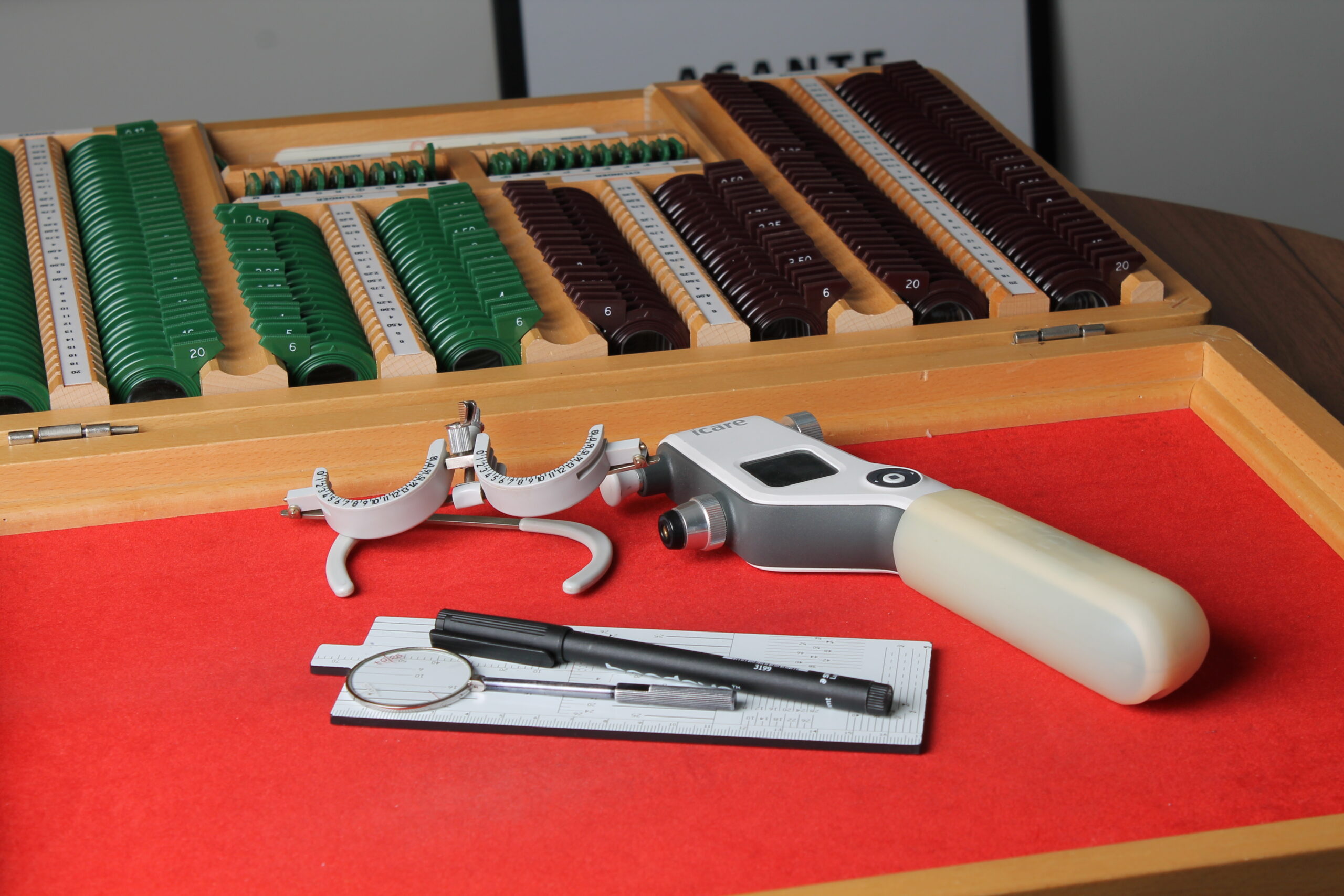
- Eye pressure
- Optic nerve health
- Peripheral vision (visual fields)
- Corneal thickness (when appropriate)
Advanced imaging allows us to detect the smallest changes — often before you notice any symptoms.
The Good News: Early Detection Protects Vision
Vision lost from glaucoma cannot be restored — but progression can usually be slowed or stopped with treatment such as medicated eye drops, laser therapy, or specialist care.
The key message is simple:
Don’t wait for symptoms.
Regular eye examinations are one of the most important steps you can take to protect your long-term vision.